
What are Clayvers?
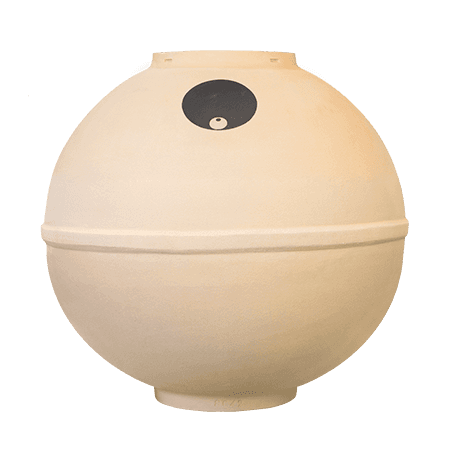
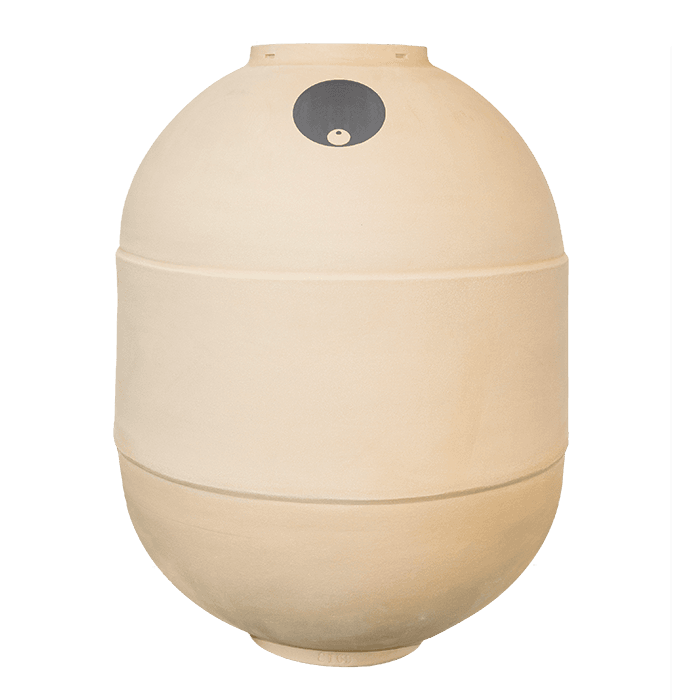
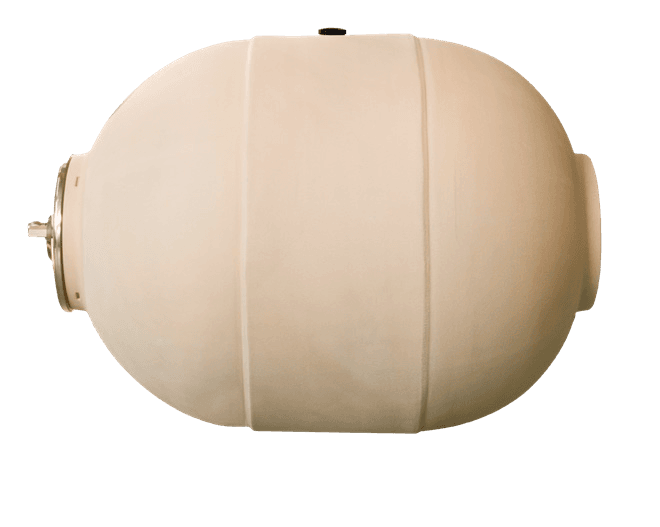
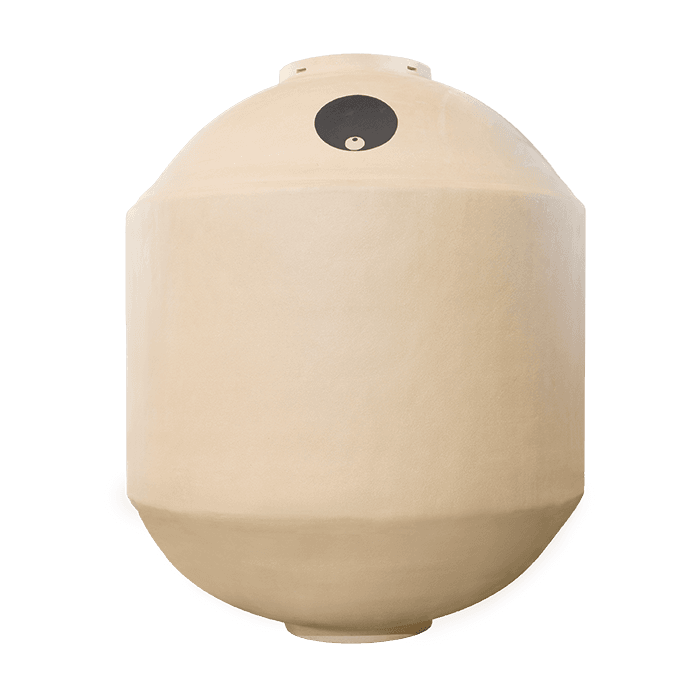
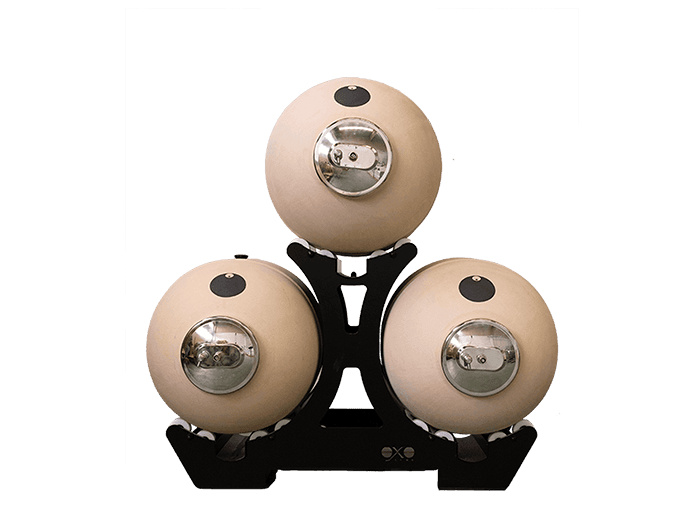
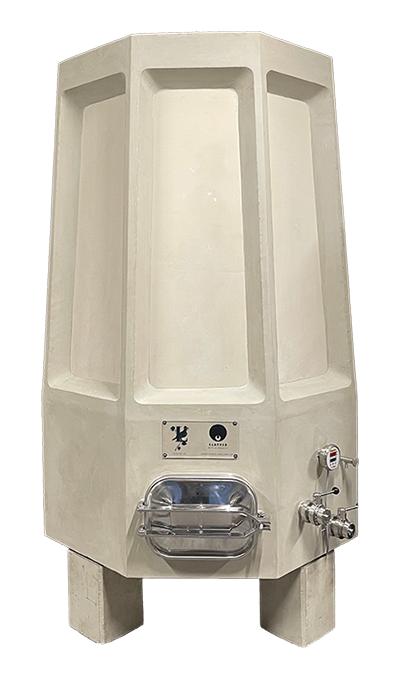
Clayvers are a Cay Ceramic vessel designed specifically for the fermentation, storage and aging alcoholic bevereages – in particular wine.
All Clayvers are produced in house by Clayver, using raw materials that are carefully selected from the best suppliers. This ensures final product is uniform and consistent.
Why Clay Ceramic?
Ceramic Stoneware is a homogeneous material, with considerable resistance to compression, good resistance to flex-traction, and a high hardness.
Porous and Permeable for gas exchange, yet Impermeable to liquids
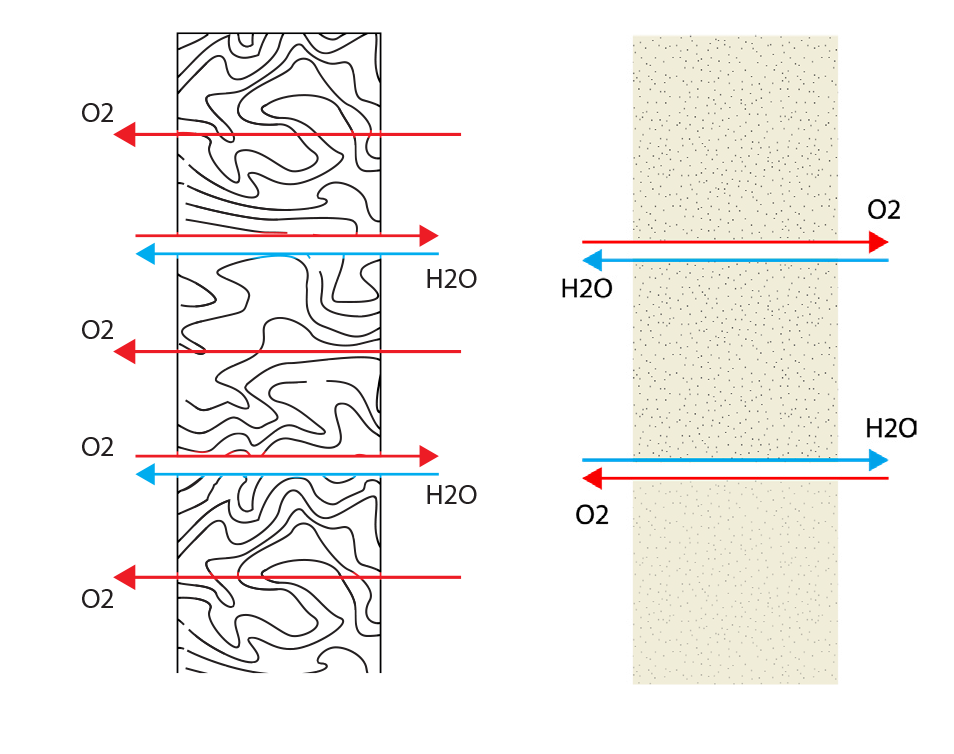
Clayver ceramic wine barrels are made of a particular homogeneous and compact natural ceramic stoneware. This material is similar in many aspects to a natural granite: it is impermeable to liquids and therefore it does not need any precaution in order to avoid evaporation. The intrinsic microporous structure of the ceramic material can allow a gaseous exchange with the outside of the container but only in limited quantities and on very long time scales. The container is therefore also suitable for long aging.

Key Comparisons
Wood
Material: Oak
Porus: Yes
Permeable: Yes
Cleaning: Hot Pressure Wash, Cold Pressure Wash, Steam.
Limitations: New oak imparts flavour which may be undesirable for certain wines. Limited lifespan.
Steel
Material: Stainless Steel
Porus: No
Permeable: No
Cleaning: Caustic, Soft Alkalines, Mild Acids, Hot Pressure Wash, Cold Pressure Wash, Steam.
Limitations: Natural aging ability is low due to the lack of porosity and permeability
CLAYVER
Material: High Fire Clay
Porus: Yes
Permeable: Yes
Cleaning: Caustic, Soft Alkalines, Mild Acids, Hot Pressure Wash, Cold Pressure Wash, Steam (providing it is cooled naturally)
Benefits: High fire ceramic clay is hard and unreactive meaning no coating is required before use with wine.
Terracotta
Material: Low Fire Clay
Porous: Yes
Permeable: Yes
Cleaning: Something Gentle
Limitations: Compared to clay ceramic, terracotta is soft and has a much higher porosity (often excessive), meaning it may require waterproofing.
Concrete
Material: Cement + Aggregate
Porous: Yes
Permeable: Limited
Cleaning: Hot Pressure Wash, Cold Pressure Wash, Steam, Limited use of chemicals.
Limitations: Often requires some form of protection against wine acids.
Luna – 250L
Galatea – 400L
Orizzonte – 400L
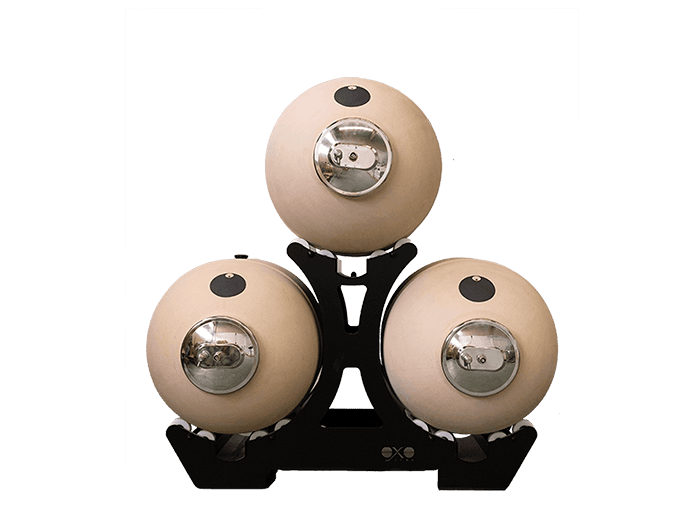
Orizzonte – Trio-Base – 400L x 3 = 1200L
Polifemo – 650L